
REALIGN AT THE ROOT
In-Person Psychological Therapy for Adults
with Madeleine Hayman — Glasgow, Scotland

MY APPROACH
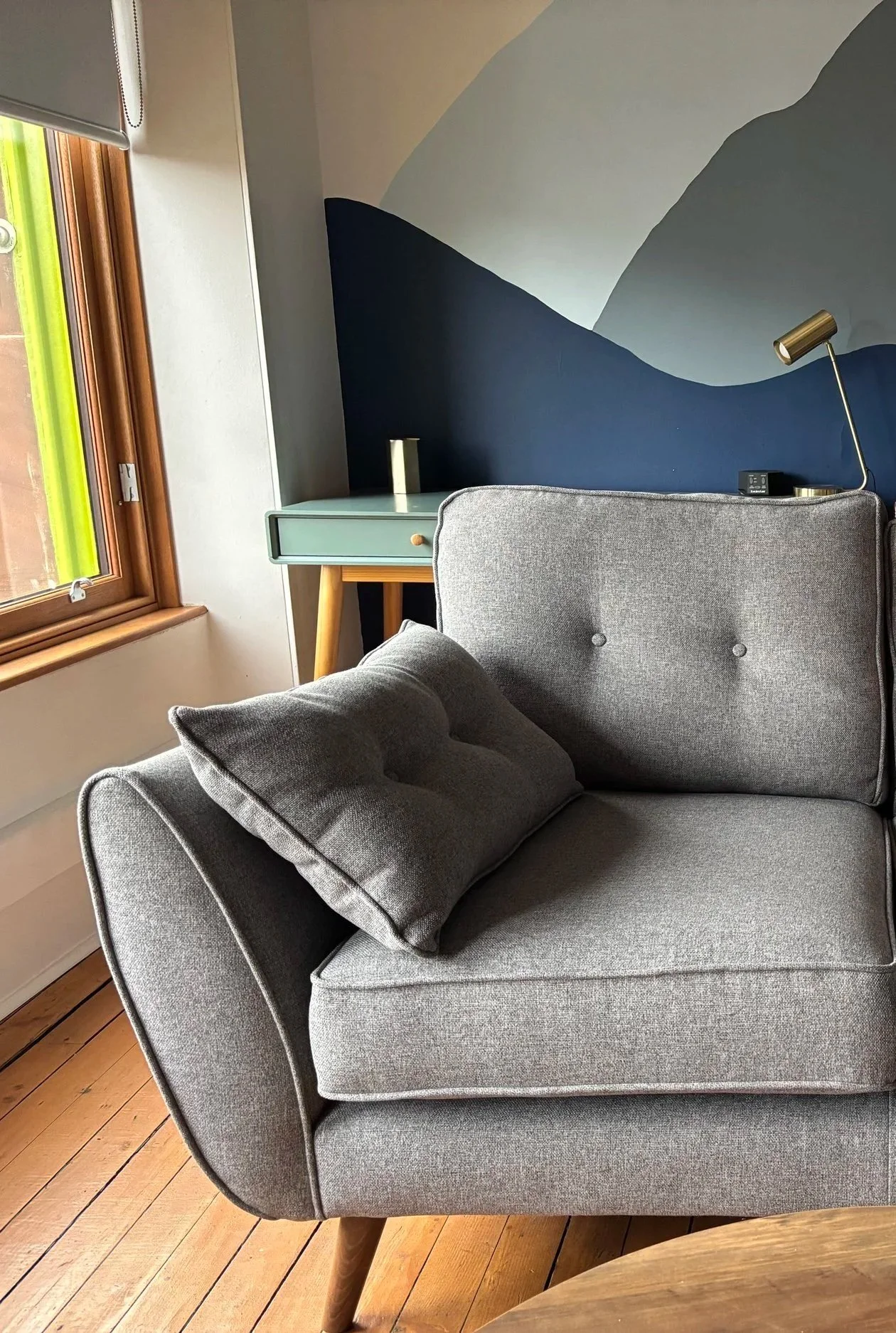
My aim is supporting clients become more connected to their mind and body, break out of cycles of overwhelm, self-criticism, anxiety, and heal from past trauma.
Boundary-setting is something I particularly enjoy supporting people with. Many clients come to me knowing what their boundary is but struggling with how to communicate or hold it. We work on both the internal permission and the practical language, so the boundary actually sticks.
I use cognitive behavioural psychotherapy and mindfulness to encourage self-awareness and to cultivate desired change. I draw on other modalities such as emotionally-focused, relational, and schema therapy to offer an eclectic approach that is tailored to each client's needs.
My practice acknowledges the differences in every experience and the things that matter to my clients, such as identity, spirituality, and culture.
In our sessions, I encourage clients to bring their authentic selves, and if that is not possible at first, we work at the best pace until we have formed the trust needed to begin. I offer psychotherapy that is driven by empathy, understanding, and open-mindedness, with support every step of the way.
HOW IT WORKS
02. Book first session
Schedule your first session yourself using my booking calendar, or use the booking form
03. Attend session
We’ll spend time getting to know each other and establish your therapy needs

01. Read about me
Learn about me and my work to determine if I would be a good fit for you via this website
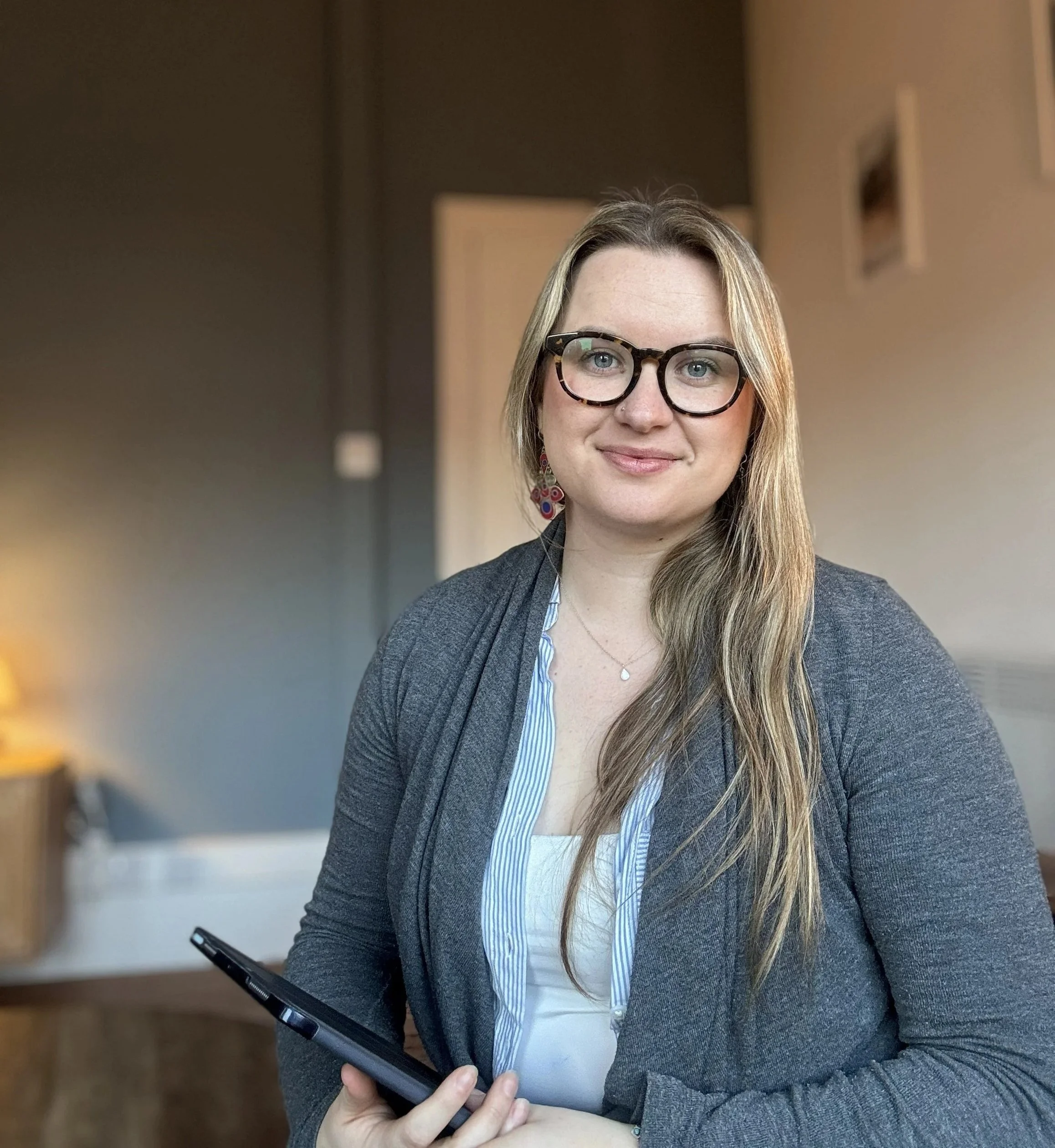
MADELEINE HAYMAN
BACP Registered Psychotherapist (MBACP)
By nature, I am a keen listener and open minded, but my lived experiences highlighted how powerful having a non-judgment environment can be, thus started my journey to becoming a therapist.
But when I am not a therapist — I am a scientist, researcher, teacher, animal lover and more. I find peace when I am in nature or near rivers and beaches. I value the use of humour as a form of self-expression and relief.
My style is warm, collaborative, and down-to-earth. I'm here to just listen and I'll be actively engaged, giving you kind and honest feedback. And while therapy can dive into some heavy stuff, we can have a good laugh or two along the way.
TRAINING + EDUCATION
IN PROGRESS Master Practitioner Programme in Eating Disorders and Obesity, National Centre for Eating Disorders
IN PROGRESS PhD in Psychological Medicine (Expected completion Spring 2027)
Registered Member of British Association of Counselling and Psychotherapy (MBACP) #415472
ASIST (Suicide First Aid) Certified
Member of PVG Scheme
Post-Graduate Diploma (Masters level) Cognitive Behavioural Therapy and Groupwork
Master of Research (MRes) in Biomedical Sciences specialised in Molecular Genetics of Mental Health
BSc (Hons) in Biology specialised in Molecular Biology, electives in Anthropology, Psychology, and Culture
ANSWERING QUESTIONS

-
My fee for one session is £65 per 50 minutes.
After the first session, I offer concession rates for income-based needs between £35-55 per 50 minutes for a portion of my clients. In addition, I take a few clients for 100% free to increase accessibility.
-
I offer a brief 15 minute introductory phone call that is optional once you book your first appointment. In your first session, we have more time to connect and chat about what brings you to therapy, talk about goals, how we work together and for how long. This means no pressure to say things you aren’t ready too and more time to decide if we would be a good fit.
-
When I have capacity, I use a sliding scale the for the clients I can take on at a reduced rates.
The lowest rate offered being £35 per session. We discuss this in our consultation call as well as what budget you may be working with, and any other factors that may be relevant to suit your needs.
-
Your experience in therapy will be unique to your needs. I resonate with a range of modalities to help you reach your goals. I am a trauma-informed therapist which means I align myself with a framework that prioritises: Safety · Trustworthiness · Choice · Collaboration · Empowerment · Cultural consideration — no matter the the modality I use. The core therapy models I use are:
Cognitive-Behavioural Therapy - A combination of learning about your thoughts, behaviours, body sensations, and emotions. Encourages a systematic approach to making lasting changes.
Cognitive Therapy - Helps you recognise unhelpful thoughts and beliefs and offers you alternatives to break self-defeating cycles
Behavioural Therapy - Highlights patterns in behaviours where change is desired to foster alignment with your goals.
Mindfulness-Based Cognitive Therapy - Focuses on awareness in the present moment to calm the mind and lessen stress.
I draw from the following modalities
Relational Therapy - Focuses on relationships, identity, and connections to others, in order to nurture personal emotional wellbeing.
Emotionally focused - Uses attachment-based principals to help process emotions in order to move toward a more secure way of being.
Schema Therapy - Combined CBT, attachment, and environmental-based approaches to deeply address the areas that aren’t working restore balance and make experiencing emotions more manageable for those who feel intensely.
-
It's entirely your choice. Some clients appreciate ongoing support from a therapist, while others prefer to focus on a specific issue and then move on. I check in with clients at regular intervals to make sure they continue to receive a sense of meaningful support and progress in their work.
-
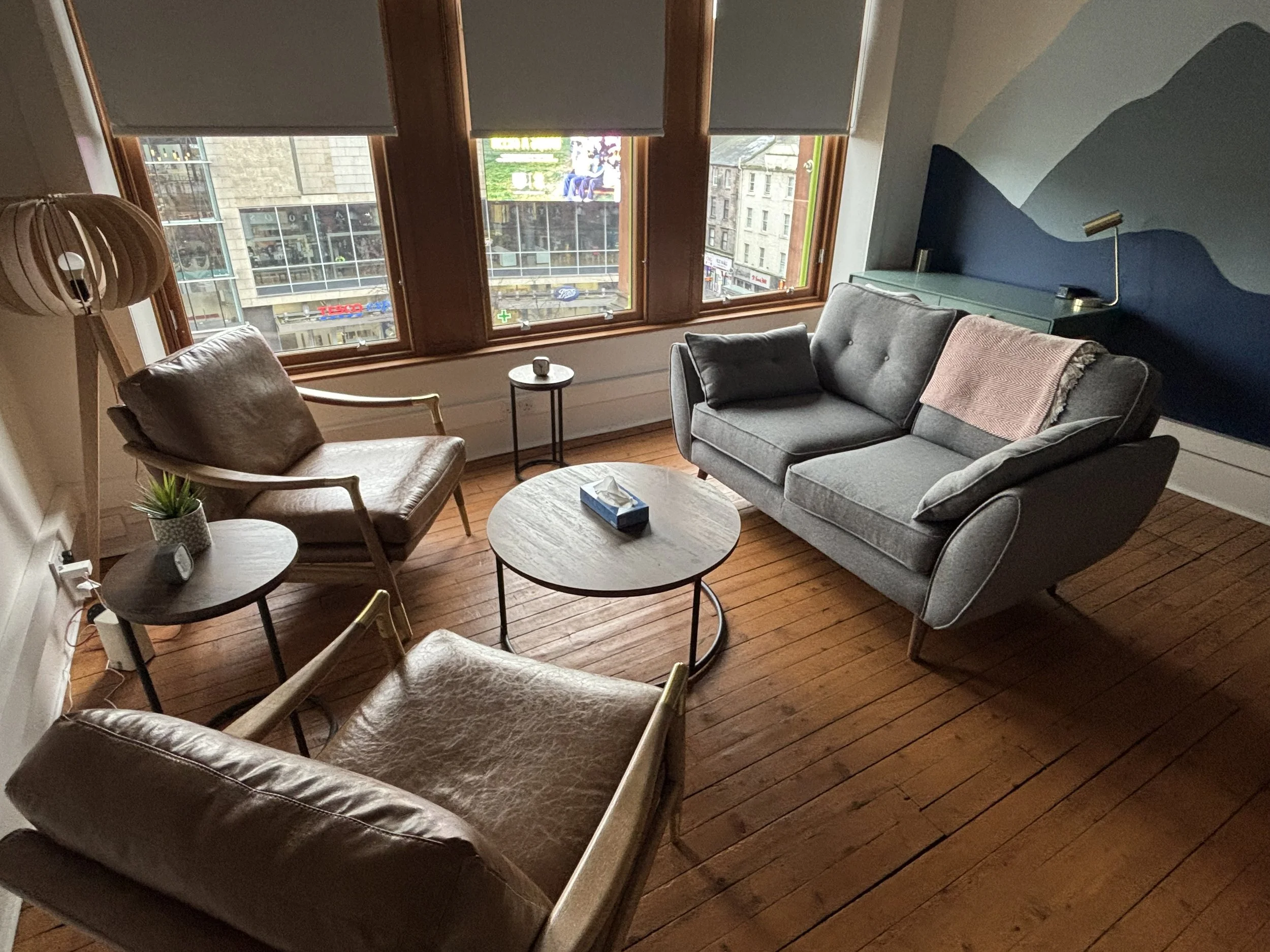
Our sessions together are in G1 city centre. The space is close to the underground for ease of access.